Ever since people looked at the stars, they have given bright stars (and groups of stars) names. In the western world a lot of those names are arabic names that have been around for millennia. In science, stars are generally referred to by a Bayer Designation (a greek letter and the constellation name) or a catalog number.
About a decade ago, the International Astronomical Union, which is the organisation that can assign official names to things in the sky - stars, planets, asteroids, comets - adopted the most common classical star names, but then decided that the people from the middle east and the mediterrenean were not in fact the only ones to ever observe the stars. So via its Working Group on Star Names they assigned new names from various indigenous and non-english languages around the world.
Four of these previously unnamed stars got official names from Australian Indigenous languages.
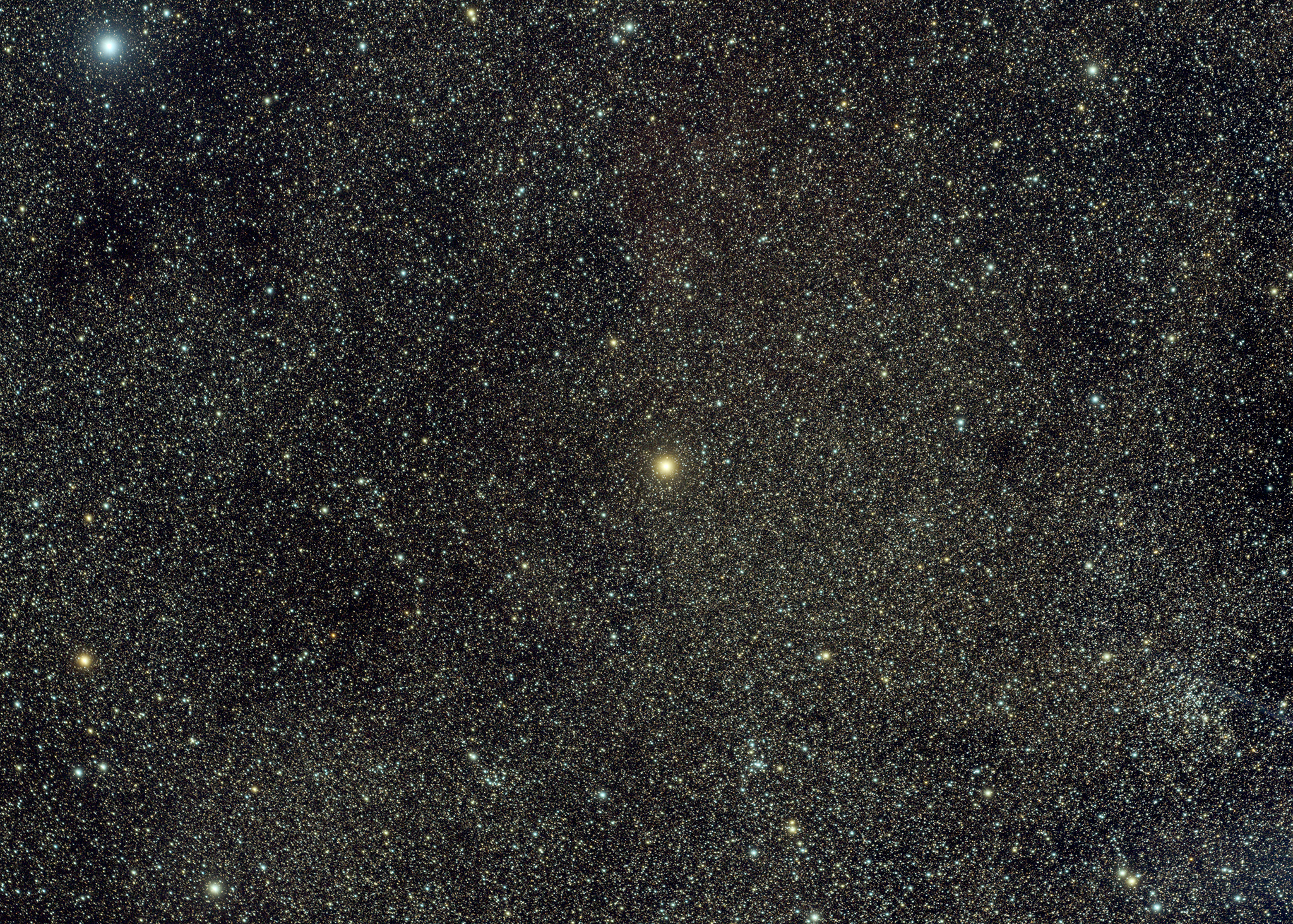
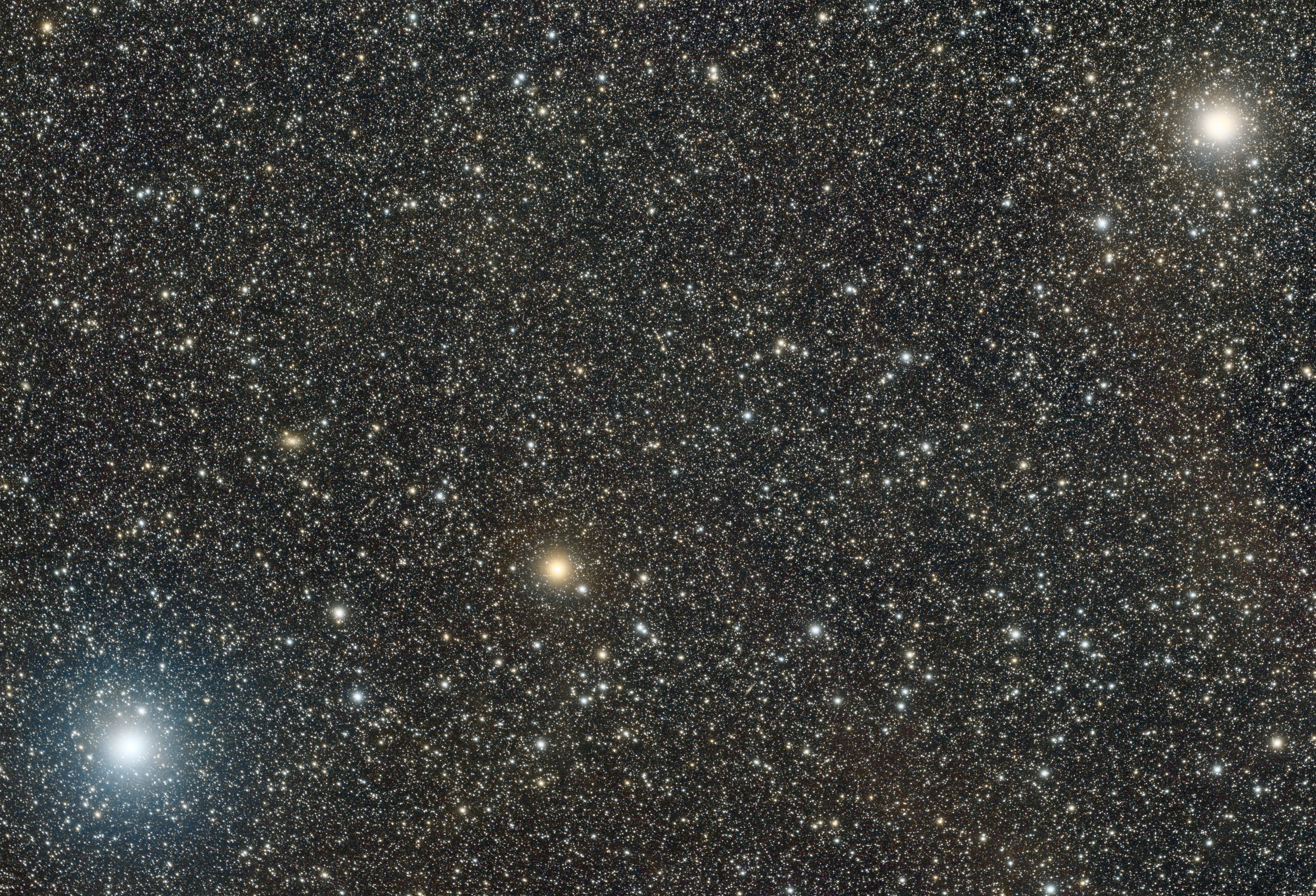
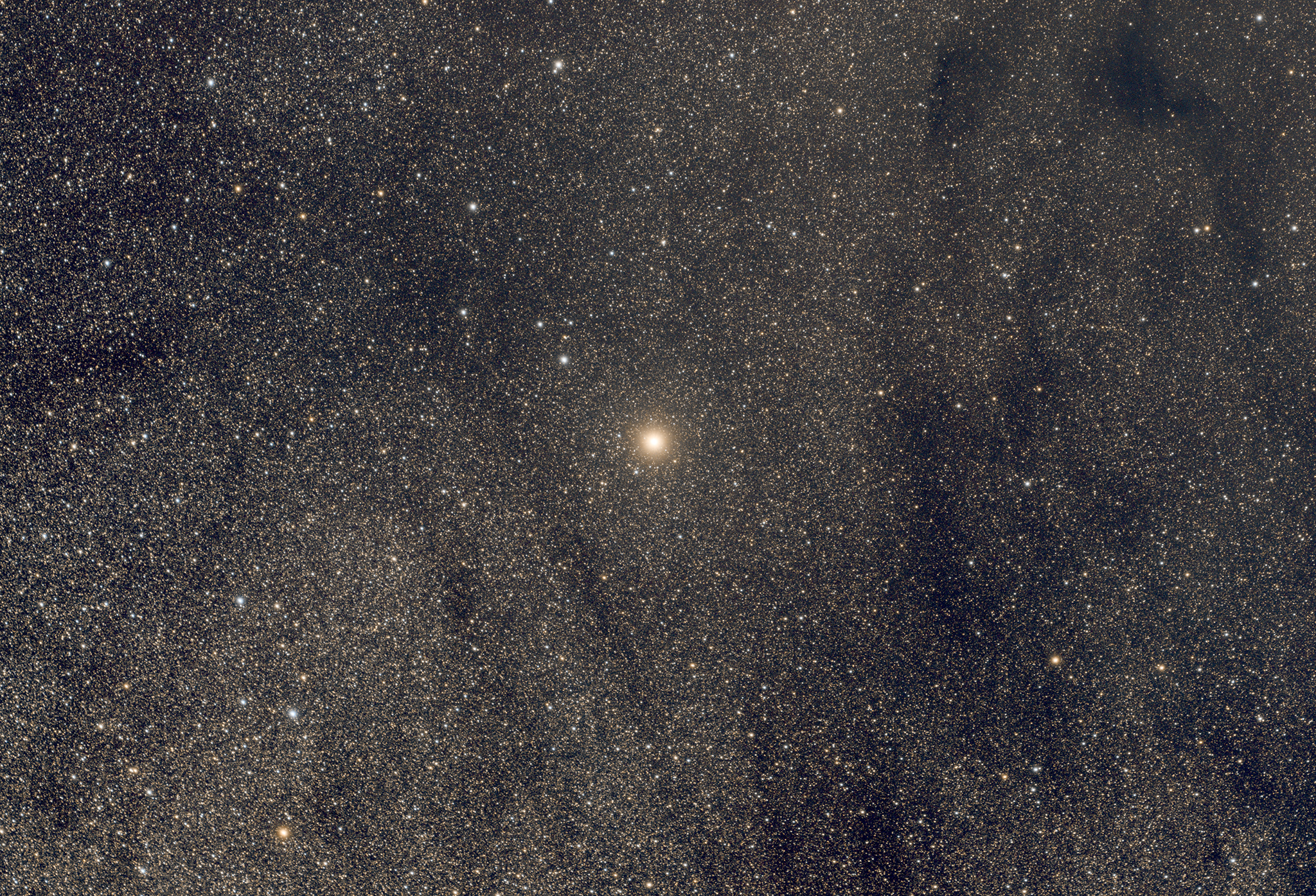
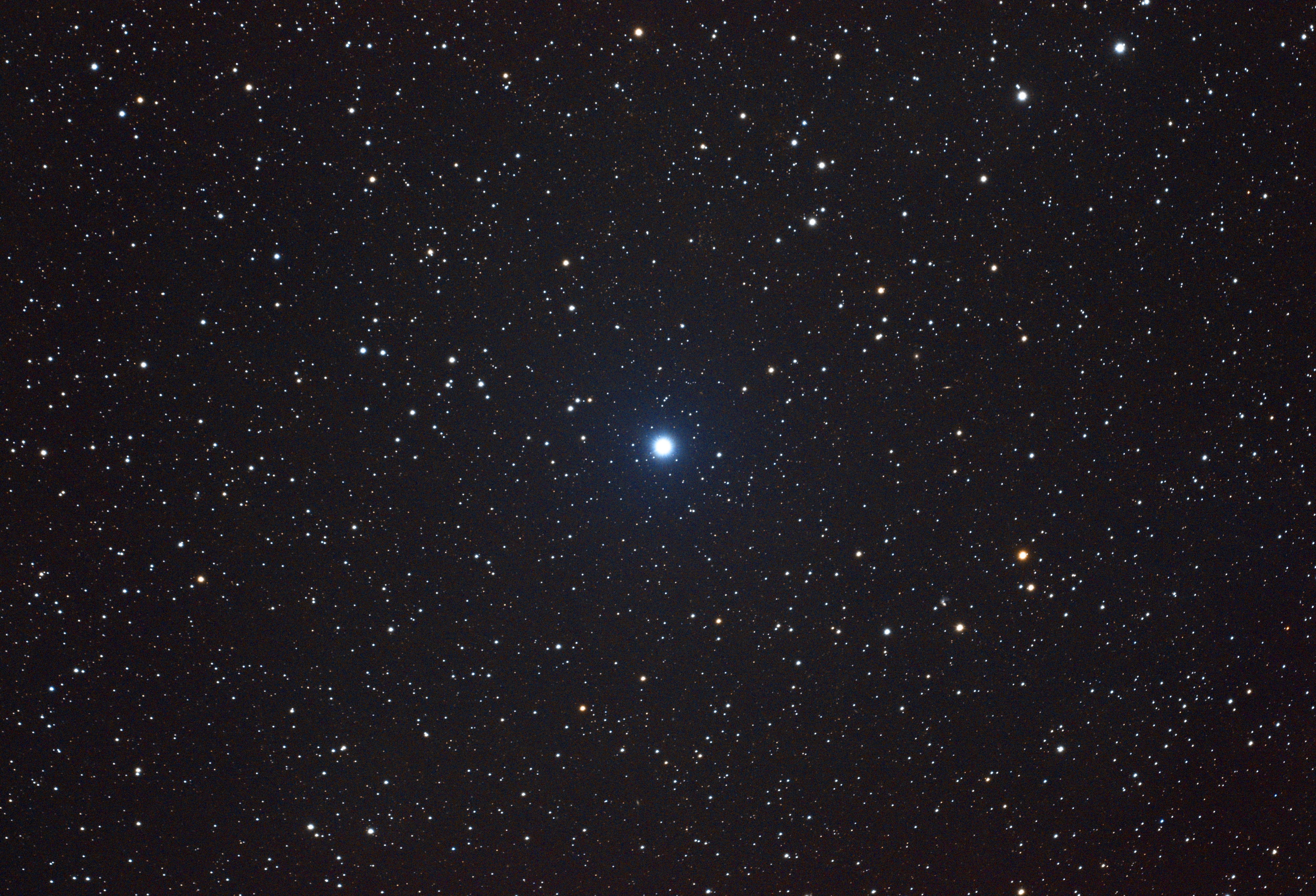
Larawag (Epsilon Scorpii), Wurren (Zeta Phoenicis) and Ginan (Epsilon Crucis) got names from the Wardaman language of the Northern Territory and Unurgunite (Sigma Canis Majoris) got a name from the Boorong people of the local area where I live and do my astrophotography. Each star has its own stories associated with it and you can read about those on aboriginalastronomy.com.au.
A friend is a member of the IAU working group on star names, as and he told me about these newly assigned names some years ago, I decided I was going to try a nice image of each of them, taking into account the details of the story when possible. That is especially important with Unurgunite :-)
I finally got the last one mid last year, and then processed all the data in the same way.
For each star, I took an hour of data; 60 x 60 second exposures with a UV/IR cut filter on a 300mm focal length RedCat 61 and processed it the same way using Siril. This provides reasonably correct star colours and relative brightnesses.